The Importance of Insurance: Key Facts to Enhance Your Knowledge and Coverage
Insurance plays a vital role in safeguarding individuals and families from unexpected financial setbacks. It encompasses various types, including health, auto, and life insurance, each serving a distinct purpose. Understanding the intricacies of these policies can be challenging. Furthermore, misconceptions about insurance often cloud judgment. This discussion will explore essential facts and practical insights that can empower individuals to make informed choices about their coverage. What important elements should one consider when evaluating their insurance needs?
Understanding Different Types of Insurance
Insurance serves as a safety net, providing financial protection against unforeseen risks. It encompasses various types designed to address specific needs. Health insurance, for instance, covers medical expenses, ensuring individuals receive necessary care without financial strain. Auto insurance protects vehicle owners from losses due to accidents, theft, or damage, while homeowners insurance safeguards properties against risks like fire and natural disasters.
Life insurance offers financial security to beneficiaries in the event of the policyholder's death, providing peace of mind for families. Additionally, liability insurance protects individuals and businesses from legal claims, covering potential damages and legal fees.
Travel insurance is another type, offering protection against trip cancellations, lost luggage, and medical emergencies abroad. Understanding these various types aids individuals in selecting appropriate coverage tailored to their unique circumstances, fostering a sense of security and preparedness in an uncertain world.
The Role of Insurance in Risk Management
In the landscape of financial planning, risk management plays a pivotal role in safeguarding assets and ensuring long-term stability. Insurance serves as a critical component of this strategy, offering a safety net against unforeseen events that could lead to significant financial loss. By transferring risk from individuals or businesses to insurance providers, policyholders can protect themselves from burdensome liabilities, property damage, or health-related expenses.
Multiple kinds of insurance—including life, health, vehicle, and property coverage—cover particular hazards, allowing individuals to tailor their coverage aligned with their unique needs. The ability to customize boosts financial security, since it lessens the effect of negative occurrences. Moreover, insurance promotes tranquility, letting insured parties prioritize growth and capital deployment instead of dwelling on future complications. In the end, proper risk control via insurance not only preserves assets it also promotes total financial health, underscoring its importance in modern financial planning.
How Premiums Are Determined

Numerous factors influence how premiums are determined, based on the specific situation of every client. Carriers analyze risk profiles, including factors like age, health, and personal habits when calculating health and life coverage, but property coverage usually takes into account location, asset value, and security measures. Credit ratings and past claims records are highly influential; a history of frequent claims may result in higher premiums.
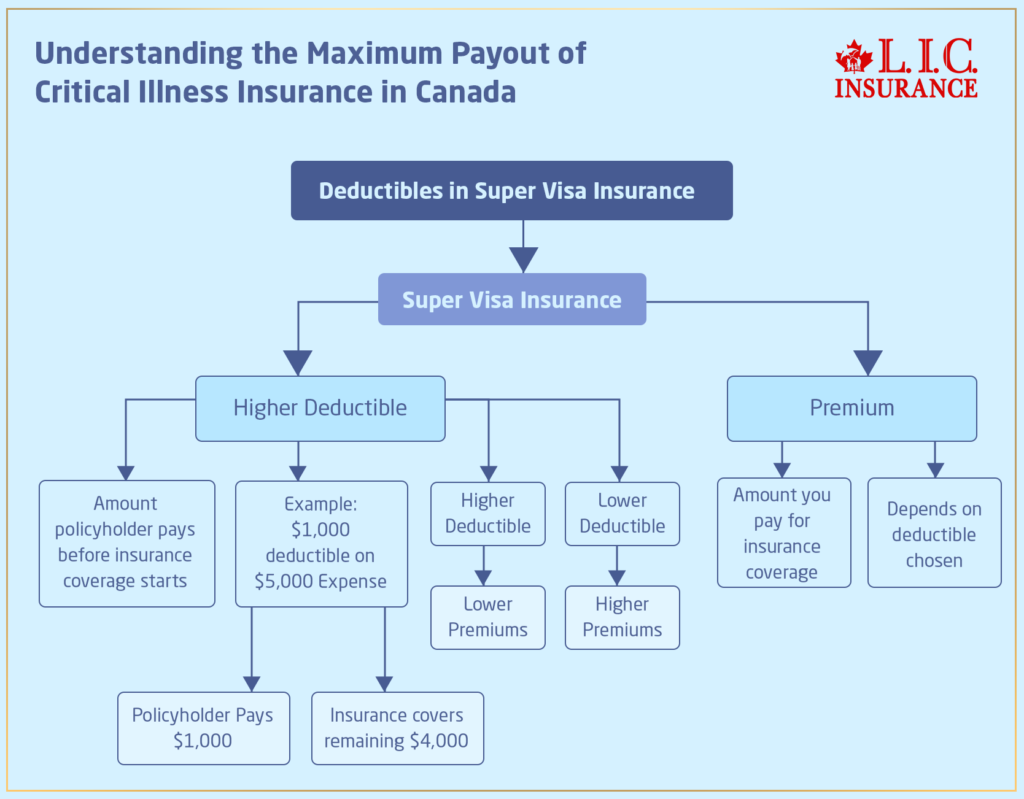
Additionally, the type and amount of coverage desired directly impact costs. Policyholders opting for higher deductibles may benefit from lower premiums, because they bear a larger share of the financial burden during a loss. Carriers must also consider market shifts and changes in regulations that could influence how prices are set. Ultimately, these factors combine to create a premium that accurately reflects the risk the insurer undertakes, guaranteeing clients get protection suited to their unique situations and requirements.
Understanding the Claims Procedure
Grasping the details of the claims procedure is crucial for clients, since it impacts their outcome after an incident. The procedure usually starts when the client informs their copyright about the event. The first report needs to contain pertinent information regarding the event and the resulting damage.
Following the filing of a claim, a claims representative is assigned to examine the situation, verifying the claim's legitimacy and assessing the policy limits. The insured party may have to supply evidence, such as photographs, receipts, or police reports, in order to substantiate their claim.
After the evaluation, the insurance company will communicate their decision regarding coverage and compensation. When a claim is granted, the payout is made based on the terms of the policy. It is important for policyholders to remain knowledgeable and involved throughout this process to ensure a more seamless experience and to deal with any worries immediately.
Common Insurance Myths Debunked
Many individuals hold misconceptions about insurance that can lead to uncertainty and unwise decisions. Common myths include the belief that insurance is universally expensive, that all policies offer the same coverage, and that claims are routinely denied. Refuting background information these false ideas is vital for fostering a better understanding of how insurance operates.
Insurance Is Too Expensive
Insurance is often perceived as a financial burden, with numerous people thinking it to be too expensive to afford. This perception can deter people from getting the required protection, exposing them to unanticipated hazards. In fact, insurance costs vary widely based on factors such as the type of policy, policy caps, and unique conditions. A variety of plans are offered that cater to different budgets, allowing consumers to pick plans suitable for their economic standing. Moreover, the potential financial protection insurance provides frequently exceeds the expense, as it can avoid ruinous financial setbacks. By grasping the reality of insurance pricing, individuals can make informed decisions that prioritize both their financial well-being and their security from dangers.
Every Policy is the Same
The false belief that every insurance plan is the same can lead to poorly suited insurance and economic jeopardy. As a matter of fact, insurance policies differ markedly regarding stipulations, requirements, limitations, and policy boundaries. Each form of insurance is designed to certain dangers and necessities, making it crucial for clients to comprehend the subtle differences of their options. To illustrate, homeowners insurance can vary in coverage for natural disasters, legal safeguards, and individual belongings. Moreover, different providers may offer special riders or price reductions that can affect overall policy value. Ignoring these distinctions may result in individuals securing unsuitable insurance or paying excess for unneeded coverage. Therefore, it is crucial for buyers to carefully weigh and assess plans to guarantee they meet their specific needs and circumstances.
Claims are routinely denied
A common idea in the public sphere is that claims are routinely rejected, a situation that creates distrust in the insurance sector. This misconception fails to acknowledge the truth that numerous requests are approved daily. Insurance companies review submissions by referencing written documentation and policy terms. Rejections usually stem from lack of proper paperwork, coverage limitations, or delayed filing as opposed to a universal refusal. Policyholders might not fully grasp their insurance plan, which creates the feeling of unjust rejection. Furthermore, the industry is overseen, which guarantees that unfair rejections are subject to appeal. To avoid misunderstandings, individuals should thoroughly review their insurance contracts and speak openly with their insurers. By dispelling this myth, policyholders are able to establish a more educated rapport with their coverage companies.
Advice on Selecting the Right Coverage
Choosing the right insurance protection begins with a careful evaluation of specific necessities. It is important to compare various plan alternatives to select the ideal match for those specific requirements. By clarifying individual goals and assessing various options, one can make an informed decision.
Determine Your Necessities
How can individuals assure they choose the best policy plan for their specific situations? First, they must determine their exact necessities, covering personal assets, debts and obligations, and possible dangers. A detailed assessment of one’s lifestyle, physical condition, and financial situation is vital. Policyholders ought to review factors such as household count, residence cost, and employment security, all of which affect the type and amount of necessary protection. Additionally, knowing the mandatory regulations for insurance in their area is important. By recognizing these crucial components, people are able to develop a tailored list of coverage essentials. This essential information empowers them to make informed decisions and confirm they are adequately protected against potential financial setbacks. Ultimately, a thorough self-assessment lays the groundwork for effective insurance selection.
Look at Policy Alternatives
Having determined specific insurance needs, individuals can begin to compare various policy options offered in the marketplace. It is essential to assess coverage maximums, deductibles, and premiums to determine which plan delivers the best value. Additionally, individuals should consider the insurer’s reputation for customer service and claims handling, as these factors can profoundly shape the overall experience. Reviewing policy exclusions and terms is crucial to prevent unexpected gaps in coverage. Getting estimates from several companies can also reveal differences in pricing and benefits, allowing for informed decision-making. Finally, the appropriate plan should align with personal circumstances and financial goals, offering security and adequate protection against potential risks.
Frequently Asked Questions

What Factors Influence Insurance Policy Exclusions and Limitations?
Factors influencing insurance policy exclusions and limitations include risk assessment, regulatory requirements, insurer underwriting practices, historical claims data, market competition, and specific terms negotiated in the policy, all determining coverage access and conditions.
Can I Have Multiple Insurance Policies for the Same Coverage?
Indeed, a person can carry multiple insurance policies covering the same risk. Yet, when a claim is filed, insurers may coordinate benefits, which could restrict payments based on the total coverage available across all policies.
At What Intervals Should I Examine My Insurance Policies?
Individuals should review their insurance policies once a year or after significant life changes, such as marriage or home purchase. Periodic reviews ensure coverage remains adequate, costs are competitive, and policies align with their evolving needs.
What Defines the Contrast Between Term and Whole Life Insurance?
Term life insurance provides coverage for a specified period, giving lower costs but no cash value. A whole life policy, however, on the other hand, provides lifelong coverage, and generates cash value and usually requiring higher premiums.
How Does Insurance Fraud Influence Premiums and Policyholders?
Fraud in the insurance sector heavily impacts policyholders, leading to increased premiums because insurers must cover the resulting losses. Such dishonest actions erode confidence in the system, which ultimately impacts all participants through increased costs and more complex claims processes.